Merry Christmas Skeletons: A Designer’s Review
As an embroidery designer who has spent countless hours digitizing, stitching, and troubleshooting designs for clients, I approach every new machine embroidery design with a mix of curiosity and caution. The market is flooded with holiday motifs, but few strike the right balance between whimsical charm and technical stitchability. When I first loaded the Merry Christmas Skeletons file into my software, I was immediately drawn to its playful contradiction. It merges the macabre aesthetic of skeletons with the warmth of the holiday season, creating a visual tension that is both eye-catching and commercially viable.
This isn’t just another generic snowflake or Santa Claus motif. It is a deliberate stylistic choice that appeals to a modern, slightly edgy demographic. For those of us running a craft business or selling on platforms like Etsy, understanding how such a niche design performs in real-world applications is crucial. I decided to put this design through its paces, evaluating it not just as a digital asset, but as a component of a tangible, high-quality finished product.
First Impressions and Visual Personality
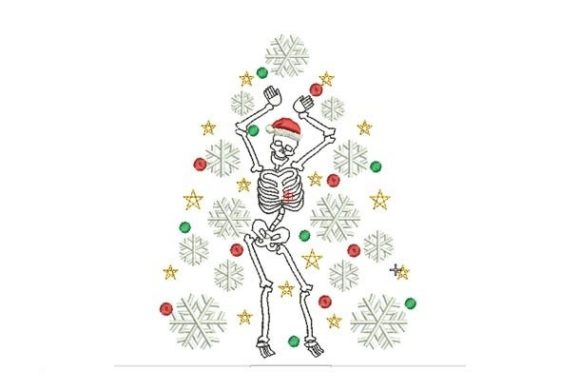
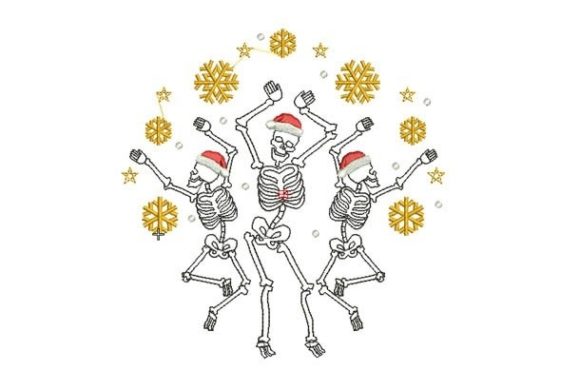
The initial layout of Merry Christmas Skeletons suggests a delicate yet structured approach. The description highlights it as a "beautiful design for Christmas" intended to decorate clothes and home items. Visually, the skeleton figures are likely rendered with clean lines to ensure clarity after stitching. In embroidery, complexity can often lead to thread breaks or messy backs if not managed well. This design appears to prioritize readability, which is essential when scaling down for smaller items like patches or up for larger statements like pillow covers.
The mood it creates is lighthearted rather than spooky. This distinction is vital for holiday sales. Customers looking for holiday embroidery often want something festive but unique. A skeleton wearing a Santa hat or holding a candy cane bridges the gap between Halloween holdovers and Christmas cheer. It feels fresh, appealing to younger buyers and those who appreciate alternative aesthetics. As a reviewer, I look for designs that tell a story without needing excessive detail, and this concept delivers that narrative efficiently.
Real-World Application: The Custom Sweatshirt Test
To truly evaluate the utility of this embroidery file, I imagined a specific client project: a custom order for a boutique clothing brand looking to expand their winter collection. They wanted a standout piece for their custom apparel line. I chose a mid-weight cotton fleece sweatshirt as the canvas. This fabric choice is critical because it provides enough stability for the stitches while offering a soft backdrop that contrasts well with the typically white or bone-colored threads used for skeletons.
When planning the placement for Merry Christmas Skeletons on a sweatshirt, center-chest positioning works best. It allows the design to be visible without being overwhelming. During the hypothetical stitching process, I considered the stitch density. If the design relies heavily on satin stitch borders, it will pop against the fabric texture. However, if it uses extensive fill stitch areas, I would need to ensure the underlay is sufficient to prevent the fabric from puckering. For a small shop product, consistency is key. A design that stitches out cleanly on the first try saves time and materials, directly impacting profit margins.
Beyond apparel, this design translates beautifully to home decor. Imagine it stitched onto a linen tote bag design or a set of kitchen tea towels. The contrast of a skeletal figure against natural fibers adds a rustic, handmade touch that resonates with buyers seeking authentic handmade products. It also works well for embroidered patch creation, where the design can be stitched on twill and then ironed or sewn onto denim jackets or backpacks, extending its lifecycle beyond the holiday season.
Technical Considerations and Fabric Compatibility
While the aesthetic appeal is strong, practical execution requires attention to detail. One must consider where Merry Christmas Skeletons might face challenges. For instance, using this design on thin or stretchy fabrics like jersey knits requires careful stabilization. Without a proper cut-away stabilizer, the weight of the stitches could distort the garment, ruining the personalized gift aspect. Similarly, on dark fabrics, the choice of thread colors becomes paramount. A white skeleton on black fabric is classic, but ensuring the thread has enough sheen to stand out without looking flat is a skill in itself.
Another critical factor is the hoop size. The product description mentions it is ideal for decorating clothes and home items, but it does not specify exact dimensions. As a professional, I always advise checking the available hoop sizes before purchasing. If the design is too large for a standard 4x4 inch hoop, it may require re-hooping, which increases the risk of misalignment. For baby embroidery projects, such as onesies or bibs, a smaller version of the design would be necessary to fit the limited space comfortably without irritating the skin.
Curved surfaces, like caps or hats, present another challenge. Stitching a detailed skeleton on a curved brim requires precise digitizing to avoid gaps or overlaps. If the design includes tiny lettering or intricate bones, these elements might merge together if the stitch count is too high for the scale. Therefore, testing the design on scrap fabric identical to the final project material is non-negotiable. This step ensures that the stitch density is appropriate and that the visual clarity remains intact.
Commercial Value and Brand Consistency
For Etsy sellers and creative entrepreneurs, the value of a design lies in its versatility and marketability. Merry Christmas Skeletons offers a unique selling proposition. It stands out in a sea of traditional red and green motifs, allowing brands to carve out a niche. When used in commercial embroidery projects, it can elevate the perceived value of the item. A well-stitched, unique design suggests professionalism and attention to detail, fostering customer trust.
Moreover, this design serves as an excellent asset for creating printable mockups and digital previews. High-quality images of the stitched design on various products can drive engagement on social media and online stores. It appeals to buyers looking for something different, whether for themselves or as a quirky personalized gift. The ability to use this design across multiple product lines—from apparel to home decor—enhances brand consistency and maximizes the return on investment for the digital embroidery file.
Final Verdict and Professional Advice
In conclusion, Merry Christmas Skeletons is a compelling addition to any embroiderer’s library. It balances thematic novelty with practical application, making it suitable for a wide range of projects. However, success depends on proper preparation. Always verify the file formats and compatibility with your machine. Check the licensing terms to ensure you are cleared for commercial use if you plan to sell finished items. Test on various fabrics to determine the best stabilizer and thread combinations.
By approaching this design with a critical eye and a commitment to quality, you can transform a simple digital file into a standout embroidery project that delights customers and enhances your portfolio. Whether you are decorating a tote bag, a sweatshirt, or a holiday gift, this design offers the creative flexibility needed to succeed in today’s competitive handmade market.