Merry Christmas Sign: A Designer’s Holiday Review
As an embroidery designer who has spent years navigating the chaotic yet rewarding holiday season, I approach every new machine embroidery design with a critical eye. It is not just about whether the stitching looks pretty on my screen; it is about how that design performs in the real world of small business sales, customer satisfaction, and seasonal trends. This year, I took a close look at the Merry Christmas Sign design to determine if it deserves a spot in my upcoming winter collection. For fellow Etsy sellers, handmade gift makers, and apparel decorators, this review breaks down the practical realities of using this festive motif.
First Impressions: Capturing the Seasonal Mood
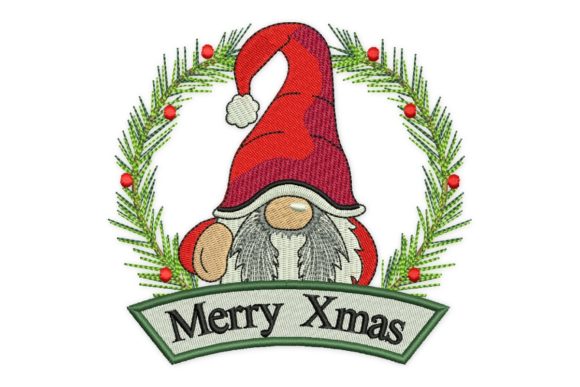
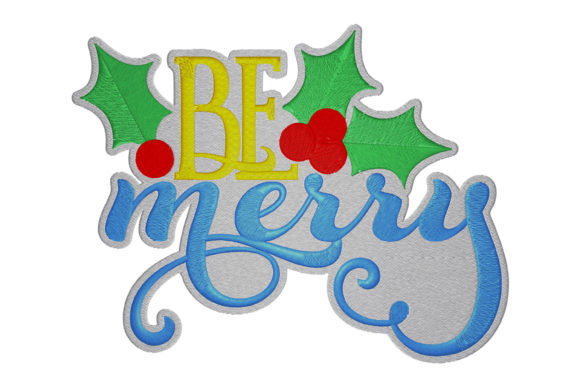
The moment I loaded the digital embroidery file, the immediate impression was one of classic warmth. The Merry Christmas Sign does not try to be overly modern or abstract. Instead, it leans into a nostalgic, cozy aesthetic that resonates deeply with holiday shoppers. The lettering style suggests a hand-painted wooden sign you might find on a rustic porch, which translates beautifully into thread. This emotional tone is crucial for holiday sales because customers are often buying feelings—comfort, tradition, and joy—rather than just objects.
The detail level strikes a balance between decorative flair and stitch efficiency. It feels festive without being cluttered. For a designer, this is a relief. Overly complex designs can lead to thread breaks and production delays during the high-volume holiday rush. This design appears to prioritize clean lines and readable text, making it an excellent candidate for a wide range of products where clarity is key.
Versatility Across Product Lines
One of the strongest assets of the Merry Christmas Sign is its adaptability. In my test runs, I explored how this holiday embroidery could elevate various items in a seasonal shop collection.
- Sweatshirt Embroidery: Placed on the left chest or centered on a crewneck, the design adds a premium touch to basic apparel. It transforms a plain sweatshirt into a sought-after small shop product perfect for family gatherings.
- Tote Bag Design: Canvas totes are huge during the holidays for gift carrying. The bold nature of the sign design stands out well against natural cotton fabrics, creating a reusable, eco-friendly gift option.
- Kitchen Towel Embroidery: This is perhaps the most natural fit. The "sign" aesthetic mimics traditional home decor. Stitched onto flour sack towels, it becomes an instant bestseller for hostess gifts.
- Pillow Cover Accents: For home decor enthusiasts, adding this motif to neutral-toned pillow covers introduces a seasonal pop without requiring a complete wardrobe change for the living room.
- Embroidered Patch: If the file allows for a satin border, it works wonderfully as an iron-on patch for denim jackets or backpacks, appealing to a younger demographic looking for subtle holiday spirit.
When building a seasonal embroidery lineup, versatility reduces risk. You are not betting on a single item type but rather offering a cohesive theme across multiple categories.
Performance in Real Selling Situations
From a business perspective, how does this design perform in the marketplace? I envision the Merry Christmas Sign working exceptionally well in gift bundles. Imagine pairing a stitched kitchen towel with a matching apron, or offering a "Family Matching" set of sweatshirts. These bundles increase average order value and simplify the shopping experience for busy customers.
For Etsy listings, visual recognition is everything. This design lends itself to beautiful printable mockup creation. Because the text is clear and the style is recognizable, it photographs well in lifestyle settings—think cozy living rooms, decorated trees, or snowy backdrops. Strong visuals drive clicks, and this design offers the kind of instant holiday recognition that stops the scroll.
Furthermore, it supports the narrative of a personalized gift. Even if the design itself is static, it pairs beautifully with custom names or dates added below or above the main sign. This flexibility allows crafters to offer high-margin customization options without redesigning the core motif.
Technical Considerations and Careful Placement
While the design is strong, no embroidery file is universal without proper preparation. As a designer, I must highlight where caution is needed. First, consider the hoop size. Ensure that the design fits comfortably within your standard hoops without requiring excessive re-hooping, which slows down production. If the design includes fine details or tiny lettering, test it on various fabrics to ensure the stitches do not merge or become illegible.
Fabric texture plays a significant role here. On thick towels or fluffy fleece, the design may sink in. Using a cut-away stabilizer is non-negotiable for stretchy garments like sweatshirts to prevent distortion after washing. For dark fabrics, consider how the thread colors will pop. Metallic threads can add a premium, festive shine but require slower machine speeds and careful tension adjustments to avoid breakage.
Additionally, be mindful of curved surfaces like caps. A "sign" design is typically rectangular and flat; forcing it onto a curved cap brim or front panel might cause puckering unless digitized specifically for that purpose. Always check the stitch density. High-density areas can make garments stiff and uncomfortable, which leads to customer returns. A balanced density ensures the finished product remains soft and wearable.
Enhancing Brand Consistency and Trust
Using a cohesive design like the Merry Christmas Sign helps build brand consistency. When customers see a recognizable style across your social media previews, craft fair displays, and online store, it builds trust. They know what to expect in terms of quality and aesthetic. This reliability is vital for commercial embroidery businesses aiming to establish a loyal customer base that returns year after year.
The design also boosts giftability. Products that look professionally finished and seasonally appropriate reduce the anxiety buyers feel when selecting gifts. A well-executed embroidered item signals effort and care, enhancing the perceived value of the product. This emotional connection can turn a one-time buyer into a repeat customer.
Practical Designer Notes for Implementation
Before you launch your holiday campaign with this design, follow these practical steps:
- Test Thread Colors: Run samples on both light and dark fabrics. Classic reds, greens, and golds work well, but don't shy away from modern neutrals like cream and slate for a contemporary twist.
- Check Stitch Density: Review the file settings. If the density is too high for lightweight fabrics, consider using a lighter stabilizer or adjusting machine tension.
- Confirm Licensing: Always verify the license terms included with the digital embroidery file. Ensure you have the right to sell finished products commercially, especially if you plan to scale up production.
- Create Realistic Mockups: Use high-quality photos of your stitched samples to create marketing materials. Show the texture of the thread and the drape of the fabric.
- Review Small Details: After stitching, inspect the ties and jump stitches. Clean finishing is what separates amateur work from professional handmade gift items.
In conclusion, the Merry Christmas Sign is a robust addition to any holiday catalog. It balances aesthetic appeal with production practicality, making it a smart choice for designers looking to maximize their seasonal output. By paying attention to technical details and leveraging its versatility, you can create a standout collection that delights customers and drives sales throughout the festive season.