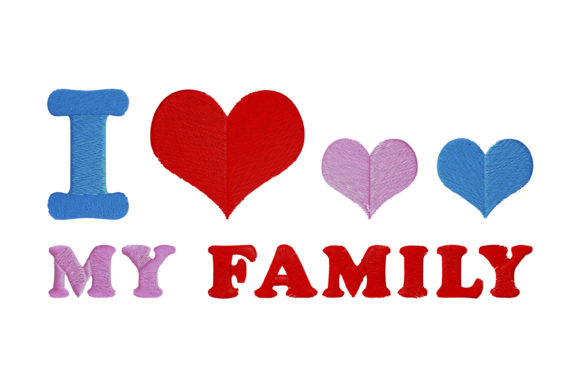
Love Decoration: A Designer’s Review for Craft Fairs
As an embroidery designer who has spent countless weekends behind a folding table at local markets, I know that not every digital file translates into a bestseller. We often get caught up in the technical perfection of a machine embroidery design, forgetting the most important variable: the human eye scanning a crowded booth. Today, I am reviewing Love Decoration, a design marketed for pillows, t-shirts, and sweatshirts, to determine if it has what it takes to stop shoppers in their tracks.
The premise of Love Decoration is straightforward. It is described as a high-quality option for various garments and home goods, coming with multiple formats to suit different machines. But does it have the visual punch required for a craft fair product? Let’s break down its potential from the perspective of someone who needs to sell inventory, not just stitch it.
First Impressions and Visual Appeal
When I first loaded the embroidery file into my software, my immediate thought was about versatility. The title suggests a decorative approach to the theme of love, which implies it might lean away from the overly saccharine or cartoonish styles that saturate the market in February. For a Valentine S Day collection, this is crucial. Shoppers are increasingly looking for items they can keep year-round, not just for a single holiday.
If Love Decoration features clean lines and balanced spacing, it likely fits into the "modern rustic" or "minimalist chic" aesthetic that dominates current handmade trends. This makes it a strong contender for a handmade product line that aims for elegance rather than novelty. The key here is whether the design feels premium. A cluttered design looks cheap on a tote bag; a well-spaced, thoughtful design looks like a boutique find.
Product Application and Market Fit
The real test for any design is where it lives. Based on the description, here is how I see Love Decoration performing across different substrates:
- Tote Bags and Market Bags: This is arguably the strongest application. A tote bag design needs to be legible from three feet away. If the lettering or central motif in Love Decoration is bold, it will catch the eye of a passerby. Canvas provides a stable surface that highlights stitch texture beautifully.
- Apron Embroidery: Kitchenware is a massive seller at craft fairs. An apron embroidery placement on the bib or pocket adds a personal touch that mass-produced items lack. This design could elevate a simple linen apron into a giftable item for weddings or housewarmings.
- Tea Towel Embroidery: Here, we must be cautious. Tea towel embroidery requires a design with lower stitch density to prevent puckering on thin fabric. If Love Decoration is too dense, it will pull the fabric and look distorted. However, if it is light and airy, it becomes a perfect impulse buy.
- Embroidered Patches: Creating an embroidered patch allows you to sell the design without committing to a specific garment. This is excellent for testing the waters. If the design holds up on twill, it can be ironed onto jackets, hats, or bags later.
Production Practicality for Small Shops
For an Etsy seller or a small shop owner, time is money. A design that is difficult to hoop or requires excessive trimming is a bottleneck. Love Decoration appears to be designed for efficiency, but you must verify the hoop size requirements. Smaller hoops mean faster setup times and the ability to run multiple items in a batch.
Photography is another critical factor. Does the design photograph well? Flat, two-dimensional designs often look better in online listings than highly textured 3D puff embroidery, which can cast confusing shadows. If you are creating a printable mockup for your digital store or using photos for your booth signage, ensure the thread colors contrast sharply with the fabric. A low-contrast design might look sophisticated in person but disappear completely on a smartphone screen.
Careful-Use Notes and Technical Considerations
While the description promises high quality, every digital embroidery file has its quirks. Here are the technical hurdles you must clear before selling finished products:
- Fabric Texture: Avoid using this design on highly textured towels unless you use a heavy cut-away stabilizer. The stitches may sink into the loops, losing clarity.
- Curved Surfaces: If applying this to caps, remember that curved surfaces distort designs. What looks centered on a flat pillow cover may look skewed on a dad hat. Always digitize or adjust specifically for caps if that is your goal.
- Small Details: Check the smallest elements of Love Decoration. Tiny lettering or fine details can break or merge during washing. If the design includes small text, consider enlarging it or simplifying the font for durability.
- Dense Stitch Areas: High density can make garments stiff and uncomfortable. For t-shirts and sweatshirts, ensure the back of the embroidery is clean and not scratchy against the skin.
Enhancing Brand Consistency and Buyer Engagement
Using a cohesive set of design assets helps build brand recognition. If Love Decoration fits your existing aesthetic, use it across multiple product types. Seeing the same design on a pillow, a tote, and a patch creates a professional, curated look for your booth. This consistency signals to buyers that you are a serious commercial embroidery business, not just a hobbyist clearing out closet space.
Furthermore, this design can serve as a anchor for your display. Place your best-executed version of Love Decoration at eye level. Use it to draw customers in, then upsell them on complementary items. The emotional connection to the word "Love" makes it an easy sell for anniversaries, Valentine’s Day, or self-care gifts.
Final Verdict and Designer Recommendations
Before you commit to a large production run, follow these steps to ensure success:
- Test on Scrap Fabric: Never skip this step. Stitch out Love Decoration on the exact fabric you plan to sell. Check for puckering, thread breaks, and color accuracy.
- Check Commercial Licensing: The description mentions it can be used for various items, but always confirm the license terms. Ensure you have the right to sell finished physical products made with this machine embroidery design.
- Create Real Mockups: Do not rely solely on digital previews. Stitch one sample, photograph it in natural light, and use that image for your marketing. Realism sells.
- Compare Fabric Colors: Test the design on both light and dark fabrics. You may need to adjust thread colors for darker materials to maintain visibility.
In conclusion, Love Decoration has the potential to be a staple in your small shop product lineup. Its success depends not just on the file itself, but on how wisely you apply it. By choosing the right substrates, respecting the technical limitations of embroidery, and presenting it with professional branding, you can turn this digital file into a tangible revenue stream. Whether you are an experienced pro or a new creative entrepreneur, treating each design with this level of scrutiny is the difference between a hobby and a thriving business.