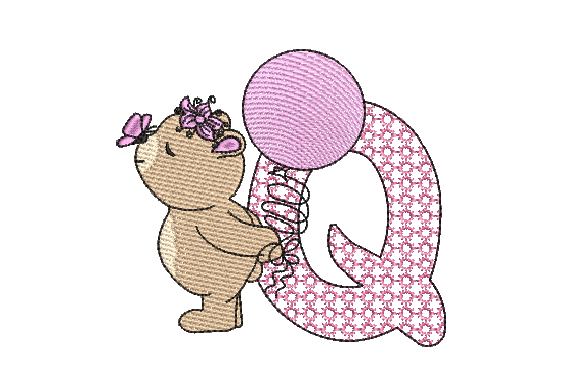
Q Girl Teddy: A Designer’s Review for Craft Fairs
As an embroidery designer who has spent countless weekends behind a booth table, I know that not every design translates from the screen to the sales floor. When I first loaded the Q Girl Teddy file into my software, I was looking for more than just cute aesthetics. I was looking for a workhorse design—something that could carry a product line, catch the eye of a passing shopper, and stitch out efficiently enough to keep my production costs low. This review breaks down how this specific alphabet set performs in the real world of handmade retail.
First Impressions: The Hand-Drawn Appeal
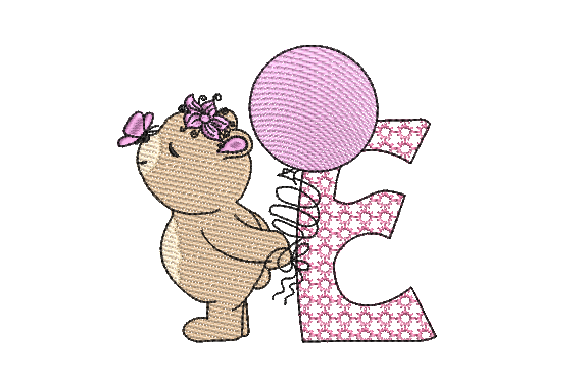
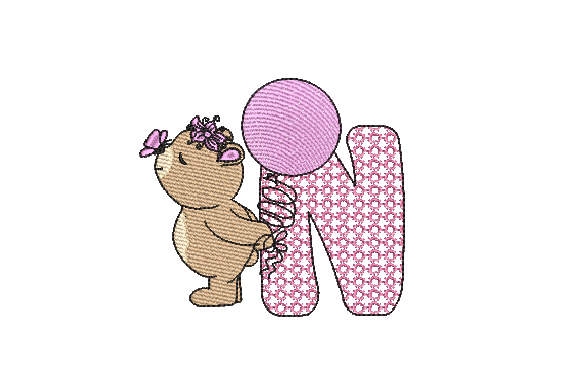
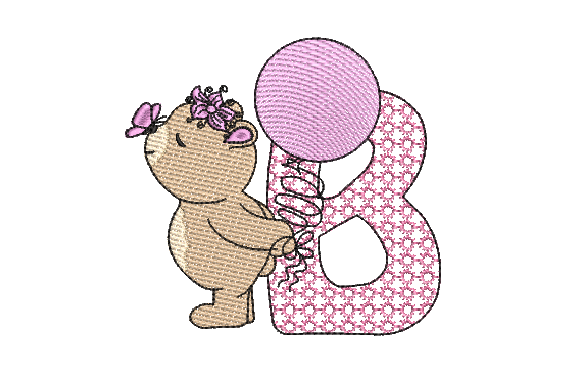
The immediate standout feature of the Q Girl Teddy Embroidery Design is its sketch-like quality. In a market saturated with rigid, vector-perfect fonts, this design feels organic and approachable. It mimics the look of a hand-drawn illustration, which aligns perfectly with the current consumer demand for authentic, artisanal goods. Because it is lightly filled with minimal underlay, the design avoids the heavy, plasticky feel that often plagues larger embroidered letters. Instead, it sits softly on the fabric, maintaining the natural drape of the material.
For a craft fair seller, this "soft" aesthetic is crucial. It signals quality without shouting. It feels modern yet rustic, fitting seamlessly into farmhouse, nursery, or boutique-style branding. The teddy bear motif integrated with the letter Q adds a layer of whimsy that appeals directly to parents, gift-givers, and anyone looking for a personalized touch. It is not just a letter; it is a character.
Product Versatility: Where It Sells Best
The true test of any machine embroidery design is its versatility. I evaluated Q Girl Teddy across several common craft fair products to determine where it creates the most impact.
- Tote Bags and Market Bags: This is arguably the strongest application. The light fill allows the canvas texture to show through, creating a high-end, custom look. A single initial on a natural cotton tote transforms a basic item into a premium handmade product.
- Aprons and Tea Towels: For kitchen textiles, the quick stitch time is a major advantage. You can batch-produce these items rapidly. The design works beautifully as a monogram on a pocket or as a central focal point on a flour sack towel.
- Embroidered Patches: Because the design is self-contained and visually distinct, it translates well to iron-on patches. These are excellent impulse buys at a checkout counter.
- Caps and Hats: Here, caution is needed. While the design is cute, curved surfaces require careful hooping. The sketch style helps mask minor puckering, but you must ensure the stabilizer is robust enough to support the stitch structure on the front panel.
When considering Teddy Bears or plush items, this design serves as a charming accent. However, for hard-surface items like wooden signs or leather goods, the embroidery thread provides a necessary textural contrast that elevates the perceived value of the finished product.
Production Efficiency and Batch Selling
Time is money for any Etsy seller or small shop owner. The description notes that this design is "quick to stitch out with a major impact." In my experience, designs with little underlay and light fill significantly reduce thread breaks and machine runtime. This efficiency allows you to produce more units per day, lowering your cost per item.
For a weekend craft fair, consistency is key. You want every tote bag or apron to look identical. Q Girl Teddy appears highly repeatable. The lack of dense, complex satin stitches means there is less room for error regarding tension adjustments. This reliability is vital when you are stitching twenty units in a row to restock your inventory.
Visual Impact and Customer Attention
In a crowded booth, customers scan tables in seconds. The Q Girl Teddy design offers high readability. The combination of the bold letter and the recognizable teddy bear shape communicates the product's purpose instantly. It does not require explanation. This clarity drives engagement. Shoppers are more likely to pick up an item if they immediately understand the customization potential. It invites them to imagine their own name or their child’s name in that spot.
Furthermore, the design photographs exceptionally well. For your online listings, the sketch style retains its charm even in thumbnail images. It does not get lost in pixelation, making it a strong asset for your digital marketing and printable mockup creations.
Practical Designer Notes and Careful Use
While Q Girl Teddy is a strong contender for your product line, successful execution requires attention to detail. Here are my technical recommendations for getting the best results:
- Fabric Texture Matters: On textured towels or waffle-weave fabrics, the light fill might get lost. Ensure you use high-contrast thread colors to make the sketch lines pop against the background texture.
- Stabilizer Selection: Even with light underlay, do not skimp on stabilization. For stretchy fabrics like t-shirts or thin cotton totes, use a cut-away stabilizer to prevent distortion over time. For woven fabrics like aprons, a tear-away may suffice, but test first.
- Size and Clarity: If you plan to shrink this design for small items like pouches or baby bibs, check the legibility of the sketch lines. Tiny details can merge if the design is scaled down too far. Always stitch a test sample on scrap fabric before committing to final goods.
- Dark Fabrics: If stitching on dark navy or black, consider using a lighter thread color or adding a subtle backing to ensure the "hand-drawn" effect remains visible and does not sink into the fabric pile.
It is also critical to verify the specific hoop size requirements and file formats included in the digital embroidery file package. Not all machines read every format, so ensure you have the correct version for your equipment. Additionally, always confirm the commercial licensing terms. Most designers allow you to sell physical craft fair products made with their designs, but restrictions may apply to selling the digital files themselves.
Enhancing Brand Consistency
Using a cohesive design language helps build brand recognition. If your shop focuses on nursery items or gentle, handmade gifts, Q Girl Teddy reinforces that identity. It pairs well with other sketch-style assets or soft pastel palettes. By using this design across multiple product types—from tea towel embroidery to tote bags—you create a unified booth display that looks professional and curated.
Ultimately, this design is a tool for storytelling. It tells the customer that your products are thoughtful, personal, and crafted with care. It bridges the gap between mass-produced uniformity and high-end bespoke art. For the creative entrepreneur looking to expand their small shop product range with low-risk, high-reward items, Q Girl Teddy is a strategic addition to your library of design assets.
Before your next market, stitch out a few samples on different fabrics. Compare how the thread sheen interacts with linen versus cotton. Create a printable mockup for your social media teasers. With the right preparation, this alphabet set can become a staple in your bestselling inventory, driving both foot traffic at fairs and clicks in your online store.