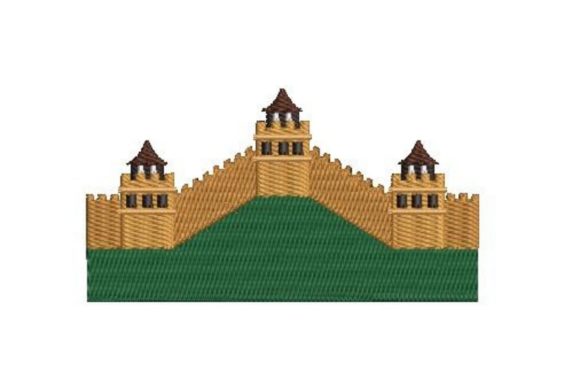
Great Wall of China: A Designer’s Craft Fair Review
As an experienced embroidery designer who has spent countless weekends behind a booth table, I know that not every design translates well from a digital screen to a tangible, sellable product. When I first loaded the Great Wall of China machine embroidery design into my software, my immediate reaction was one of intrigue mixed with practical caution. This is not your typical floral motif or cute animal silhouette. It is a piece of history, a structural marvel, and a visual statement. For craft fair sellers, handmade shop owners, and Etsy entrepreneurs, this design offers a unique opportunity to tap into the travel, history, and cultural appreciation markets within the Asia category.
First Impressions: Bold, Historic, and Architectural
The first thing you notice about the Great Wall of China design is its architectural strength. It does not feel soft, farmhouse, or overly whimsical. Instead, it leans toward a premium, educational, and slightly rustic aesthetic. The lines are defined, suggesting the stone and brickwork of the actual fortifications. For a weekend craft fair booth, this is a significant advantage. In a sea of pastel florals and generic quotes, a design that screams "world traveler" or "history buff" stands out immediately. It catches the eye of customers looking for something with substance and narrative.
However, because the subject matter is complex, the execution matters immensely. The description notes that these were fortifications built across historical northern borders. This implies length, depth, and perspective. As a designer, I look at this and ask: Does it look like a messy blob from three feet away, or can you clearly see the winding path of the wall? If the digitizing is sharp, this design feels elegant and sophisticated. If it is poorly digitized, it risks looking cluttered. For handmade product creators, clarity is king.
Product Potential: Where This Design Shines
Not every item in your inventory is suitable for this specific embroidery file. Based on my experience with similar architectural and landscape designs, here is how the Great Wall of China performs across different mediums:
- Tote Bag Design: This is arguably the best seller for this motif. A canvas tote provides a large, flat surface that allows the full span of the wall to be appreciated. It appeals to students, teachers, and travelers. The sturdy fabric handles the stitch density well, making it a durable craft fair product.
- Apron Embroidery: An apron featuring this design targets a niche but passionate audience: home cooks who love Asian cuisine or history enthusiasts. Placing the design on the bib rather than the skirt ensures it remains visible and doesn't get distorted by movement.
- Tea Towel Embroidery: Kitchen towels are tricky. The fabric texture of waffle weave or linen can interfere with small details. If you choose this route, ensure the design is simplified or enlarged so the individual stitches do not get lost in the weave.
- Embroidered Patch: Patches are excellent for batch production. A satin-border patch of the Great Wall can be ironed onto jackets, backpacks, or hats. This transforms the design into a versatile accessory, appealing to younger demographics and hikers.
- Pillow Covers: A decorative pillow with this design adds a global touch to home decor. It works best if the thread colors contrast sharply with the fabric, perhaps using earthy tones like slate grey, terracotta, and moss green against a cream background.
Practical Selling and Production Points
When preparing for a craft fair, you need products that sell themselves. The Great Wall of China design has high visual appeal, but only if produced correctly. One major consideration is how easy the design is to understand at a glance. Customers walking past your booth have seconds to decide whether to stop. If the design is too small or the details are too fine, it becomes visual noise. It works best as a large focal design rather than a small accent.
Photography is another critical factor. For your Etsy listings and printable mockup assets, this design requires good lighting to show off the texture of the stitches. Architectural designs rely on shadow and highlight. Flat lighting will make the embroidery look two-dimensional and less impressive. Ensure your digital embroidery file is optimized for the hoop size you are using. A design that looks great in an 8x8 hoop might lose its integrity if shrunk down for a 4x4 hoop without proper adjustment.
From a production standpoint, repeatability is key. Can you stitch this out ten times in a row without constant trimming or re-hooping? Check the stitch density. High-density areas can cause puckering, especially on lighter fabrics. If the design has dense fill areas representing the mountains or the wall structure, you must use the right stabilizer. A cut-away stabilizer is often safer for garments that will be washed frequently, while tear-away might suffice for stable home decor items.
Careful-Use Notes and Technical Considerations
Before you commit to producing a large batch of finished products, there are several technical pitfalls to avoid. First, beware of tiny details. If the digitizer included minute bricks or distant watchtowers, these may not stitch out cleanly on textured towels or thick denim. Always test the design on scrap fabric that matches your final product material.
Thread contrast is essential. Because the Great Wall is often depicted in stone or earth tones, using thread colors that are too similar to the fabric will make the design disappear. For example, stitching beige thread on a cream tote bag will result in a invisible product. Opt for high-contrast combinations, such as dark grey thread on white canvas, or vibrant greens and browns on natural linen.
Curved surfaces, such as caps, present another challenge. The Great Wall is a horizontal, sprawling structure. Trying to fit this onto the curved front panel of a baseball cap can distort the perspective. If you must use it on headwear, consider splitting the design or using a simplified version that focuses on a single tower rather than the entire wall. Additionally, avoid using this design on dark fabric unless you are confident in your ability to manage underlay stitches and coverage. Dark fabrics require more stitches to cover the base material, which increases production time and thread usage.
Enhancing Brand Consistency and Buyer Engagement
Incorporating the Great Wall of China into your product line can strengthen your brand if you position yourself as a seller of culturally inspired or travel-themed goods. It adds depth to your booth display, suggesting that your small shop product range is thoughtful and curated. It invites conversation. Customers may ask about the history, their own travels to Asia, or their interest in architecture. This engagement is invaluable for sales.
To maximize this, create a cohesive display. Pair the embroidered items with other Asia-themed elements, such as bamboo accents or maps. Use printable mockups to show the design in situ on a traveler's shoulder or a kitchen counter. This helps the buyer visualize the value of the handmade product in their own life.
Final Designer Verdict
The Great Wall of China is a strong contender for your embroidery business, provided you respect its complexity. It is not a quick, easy fill-in design; it requires attention to detail, proper stabilizer selection, and thoughtful fabric pairing. However, the payoff is a premium-looking item that stands out in the crowded handmade market.
Before you begin commercial embroidery production, verify the license terms of your digital embroidery file. Ensure you have the right to sell finished products. Check the recommended hoop size and stitch count provided by the digitizer. Create at least one real mockup to test the visual impact. If the design holds up under scrutiny, offering clear lines and balanced density, it will be a standout addition to your craft fair inventory. It transforms a simple piece of fabric into a story, and in the world of handmade sales, stories are what ultimately drive purchases.