Line Dancers: A Designer’s Review for Craft Fair Success
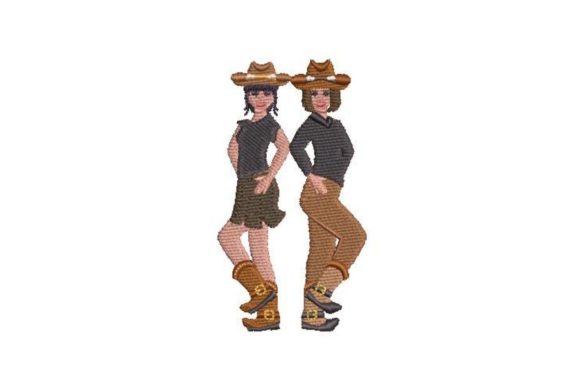
As an embroidery designer who has spent countless weekends behind a vendor table, I know that the difference between a browsing customer and a buying customer often comes down to visual impact. When I first loaded Line Dancers into my software, I was looking for more than just a pretty pattern; I was looking for a reliable craft fair product that could anchor a display. This machine embroidery design immediately struck me as a versatile asset for anyone targeting the dance community or those who appreciate rhythmic, linear aesthetics. It is not just about the stitches; it is about how those stitches translate into a finished product that sells.
First Impressions: Visual Appeal and Market Fit
The immediate vibe of Line Dancers is one of movement and elegance. It does not scream for attention with chaotic colors but rather draws the eye through clean, deliberate lines. For a small shop product, this is crucial. In a crowded marketplace, designs that are too busy can look cluttered from a distance, while minimal designs can get lost. Line Dancers strikes a balance. It feels modern yet timeless, making it suitable for a wide demographic. Whether you are targeting serious dancers, fitness enthusiasts, or simply people who love the aesthetic of motion, this design fits.
From a production standpoint, the description notes that it looks beautiful on any fabric or clothing. In my experience, this claim holds true only if you respect the fabric texture. The design’s linear nature means it will shine on smooth cottons and linens, where the thread colors can pop against a neutral background. However, on highly textured materials like thick terry cloth, the finer details might get lost. This is a key consideration when planning your inventory for a handmade market.
Product Applications: Where Line Dancers Shines
To maximize sales, you need to place the right design on the right item. Here is how I would deploy Line Dancers across a typical craft fair booth:
- Tote Bag Design: This is arguably the strongest application. A canvas tote with Line Dancers centered on the front becomes an instant statement piece. It is practical, visible, and appeals to the eco-conscious shopper who also loves Dance culture. The linear elements wrap nicely around the curve of a bag without distorting.
- Apron Embroidery: For boutique makers, embroidered aprons are high-margin items. Placing this design on the bib of a half-apron creates a professional, custom look. It suggests that the wearer values both utility and style, perfect for dance studio owners or instructors.
- Tea Towel Embroidery: Kitchen textiles are impulse buys. A set of two tea towels featuring this design can be marketed as a gift for the dancer who loves to cook. The key here is ensuring the stitch density is low enough to keep the towel soft and absorbent.
- Embroidered Patch: If the design scales down well, turning it into an iron-on patch allows customers to customize their own jackets or bags. This expands your reach to younger demographics who prefer DIY customization.
- Caps and Headwear: Curved surfaces are tricky. If you choose to embroider this on caps, ensure the design is narrow enough to fit the front panel without wrapping around the sides. The linear nature of Line Dancers makes it a good candidate for cap embroidery, provided you use a stiff stabilizer.
Production Practicalities for the Busy Maker
When preparing for a fair, time is money. You need designs that are repeatable and reliable. Line Dancers appears to be designed for efficiency. Because it relies on line work rather than heavy fill stitches, it likely runs faster than dense, complex images. This means you can produce more units in less time, increasing your profit margin on each handmade product.
However, there are careful-use notes to consider. Always check the hoop size requirements. If the design is large, you may need a 5x7 or 6x10 hoop, which limits the types of machines you can use for batch production. If you are using a smaller 4x4 machine, verify if the design can be split or if a smaller version is included in the digital embroidery file package.
Another critical factor is stabilizer selection. For lightweight fabrics like chiffon or thin cotton used in dance apparel, a cut-away stabilizer is non-negotiable to prevent puckering. For heavier items like tote bags, a tear-away might suffice, but testing is essential. I always recommend stitching out a test sample on scrap fabric identical to your final product. Check for thread breaks, especially if using metallic threads to highlight the "dance" aspect, as these can be fragile.
Marketing and Online Presence
For the Etsy seller or digital creator, Line Dancers offers excellent potential for printable mockup creation. The clean lines photograph beautifully. When creating listings, use natural light to capture the sheen of the thread. Show the design on multiple products to demonstrate versatility. A video showing the embroidery machine stitching out the design can also boost engagement, as viewers love seeing the process.
Use keywords like "dance lover gift," "custom embroidery," and "machine embroidery design" in your titles and tags. Since the product comes with multiple embroidery file formats, highlight this convenience for other embroiderers if you are selling the digital asset itself. For those selling finished goods, emphasize the quality of the stitch and the durability of the item.
Designer Notes for Best Results
Before you commit to a full production run, take these steps to ensure quality:
- Test Thread Contrast: Try the design on both light and dark fabrics. On dark fabrics, you may need to adjust the underlay or use a brighter top thread to ensure visibility.
- Check Scaling: If you plan to use it on small items like pouches, ensure the details remain clear. Tiny text or intricate lines can merge if scaled down too far.
- Verify Licensing: Always confirm the commercial license terms included with the design assets. Ensure you are compliant with any restrictions on the number of physical items you can sell.
- Create a Hero Product: Choose one item, such as a premium tote or a high-quality apron, to serve as your booth centerpiece. Display it prominently to draw customers in.
In conclusion, Line Dancers is a strong contender for your next collection. It bridges the gap between niche interest and broad appeal. By focusing on high-visibility products like totes and aprons, and paying attention to technical details like stabilizer and thread choice, you can turn this commercial embroidery design into a bestseller. Remember, the goal is not just to stitch a design, but to create a product that resonates with the buyer’s identity. For dance lovers and style seekers alike, this design offers a graceful solution.