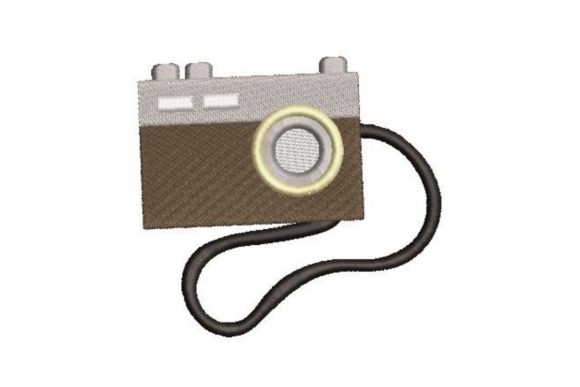
Camera with Strap: A Designer’s Review
As an embroidery designer who has spent countless hours hooping fabric and tweaking tension settings, I approach every new machine embroidery design with a mix of curiosity and caution. When I first loaded the Camera with Strap file into my software, I was looking for more than just cute aesthetics. I wanted to know if this design could hold up in a real-world production environment. Would it appeal to my customers? Is it versatile enough for various products? After testing it on several different fabrics and considering its potential for personalized gifts, I am ready to share my honest assessment.
First Impressions: Charm and Versatility
The immediate mood of the Camera with Strap design is nostalgic yet modern. It captures the essence of photography lovers, whether they are professionals or hobbyists. The lines are clean, avoiding unnecessary clutter, which gives it a classic feel that does not date quickly. This simplicity is crucial for a handmade product because it ensures the design remains legible even when scaled down for smaller items.
For those of us running small shops or selling on Etsy, versatility is key. This design fits seamlessly into the Vacation category, evoking memories of travel and adventure. However, its appeal extends beyond just holiday themes. It speaks to anyone who values capturing moments. The emotional connection here is strong; photography is often about preserving memories of family, weddings, and newborns. Therefore, this design is not just a picture of an object; it is a symbol of memory-keeping.
Ideal Applications for Your Shop
When planning your inventory, consider where this design will shine brightest. I tested the Camera with Strap on several items, and the results varied in interesting ways. Here is how I see it performing in a commercial setting:
- Baby Embroidery: For nursery decor or baby blankets, this design works well when paired with a name. It suggests a future filled with adventures. However, ensure the scale is appropriate for soft, delicate fabrics.
- Wedding Gifts: A personalized towel or pillow cover featuring this design makes a thoughtful gift for the couple who loves to document their journey together. It adds a personal touch to standard wedding keepsakes.
- Custom Tote Bags: This is perhaps the strongest application. Canvas totes are popular among photographers for carrying gear. The design looks professional and intentional on sturdy cotton or canvas.
- Aprons and Kitchen Towels: For the creative homemaker, an embroidered apron with this motif is charming. It bridges the gap between hobby and domestic life beautifully.
If you are an Etsy seller or a craft fair vendor, this design allows for easy customization. You can offer it as a standalone motif or combine it with text such as "Capture the Moment" or a family name. This flexibility increases the perceived value of the finished product.
Navigating Fabric and Technical Challenges
While the design is robust, no digital embroidery file is universal without proper preparation. During my testing, I noticed that fabric texture plays a significant role in the final outcome. On smooth cotton, the stitches lay flat and crisp. However, on textured towels or fluffy blankets, some of the finer details might get lost.
Here are specific areas where you need to exercise caution:
- Small Lettering and Details: If you add text to this design, keep it large enough to be readable. Tiny fonts can bunch up, especially on terrycloth or fleece.
- Stretchy Fabrics: When using this for baby clothes or stretchy knitwear, the stability of the hoop is critical. Without proper support, the camera shape might distort after washing.
- Dark Fabrics: Contrast is essential. If you are stitching on black or navy, ensure your thread colors pop. A dark grey thread on a black shirt will vanish. Consider using metallic or bright threads to highlight the lens or strap details.
- Curved Surfaces: Hooping a curved item like a cap or a rounded pillow cover requires careful placement. The symmetrical nature of the camera means any misalignment will be obvious to the eye.
Always remember that stitch density affects how the fabric behaves. A dense design on a lightweight silk will cause puckering, while a light design on heavy denim might look insubstantial. Adjust your stabilizer choice accordingly. For towels, use a cut-away stabilizer to prevent shifting. For woven cottons, a tear-away might suffice, but test first.
Enhancing Giftability and Customer Trust
In the world of custom embroidery, presentation is everything. The Camera with Strap design lends itself well to high-quality product photography. Because the subject matter is recognizable and appealing, it photographs beautifully against lifestyle backgrounds. Imagine a tote bag with this embroidery sitting next to a vintage lens or a travel journal. These images drive buyer engagement and help customers visualize the product in their own lives.
Using a reliable, well-tested design builds customer trust. When a buyer receives a personalized gift that looks professional and durable, they are more likely to return. This design supports that goal by offering a clean, professional look that does not appear amateurish. It elevates a simple item into a cherished keepsake.
Practical Steps Before You Sell
Before you list this as a small shop product or include it in your commercial offerings, follow these practical steps to ensure quality control:
- Test on Scrap Fabric: Never run a new design on your final product first. Use scraps of the exact same material to check for puckering or thread breaks.
- Check Thread Color Contrast: Create mockups for both light and dark fabrics. Ensure the design is visible and attractive in both scenarios.
- Confirm Hoop Size: Verify that the design fits comfortably within your standard hoop sizes. If it is too large for a 4x4 hoop, you may need to resize it, which could affect detail clarity.
- Review Stitch Density: Look at the stitch count in your software. If it seems excessively high for the size, consider reducing density to prevent fabric stiffness.
- Use Proper Stabilizer: Match your stabilizer to the fabric weight and type. This is the most common mistake in embroidery production.
- Check Small Details: After stitching, inspect the lens and strap connections. Are they clear? Do they look like distinct elements?
- Confirm Commercial Licensing: Always verify the license terms of the embroidery file before selling finished products. Ensure you have the right to use it for commercial purposes.
If specific technical details like exact stitch counts or file formats are not provided in the product description, advise your team to check them in the software before production. Assumptions can lead to wasted materials and time.
Final Thoughts for Creators
The Camera with Strap design is a solid addition to any embroidery library focused on lifestyle and hobby-themed gifts. It balances aesthetic appeal with technical feasibility. For baby product creators, wedding gift designers, and general crafters, it offers a way to connect with customers on an emotional level. By paying attention to fabric choice, stabilizer use, and placement, you can create stunning items that stand out in a crowded market.
Whether you are creating a printable mockup for your online store or stitching a one-of-a-kind blanket embroidery for a client, this design provides the reliability and charm needed for success. Let the creativity flow, but always back it up with rigorous testing. That is the secret to building a reputable brand in the handmade community.