Surfboard with Sharkbite: A Designer Review
As an embroidery designer who has spent years digitizing and testing files for small business merchandise, I approach every new machine embroidery design with a critical eye. It is not just about whether the image looks cute on a screen; it is about how it translates to fabric, how it holds up in the wash, and ultimately, how it serves the brand identity of the client using it. Recently, I evaluated the Surfboard with Sharkbite design, a piece that promises to add a beach and summer look to creative outfits. For boutique owners, Etsy sellers, and apparel decorators, this review breaks down the practical application of this embroidery file in a commercial setting.
First Impressions and Visual Personality
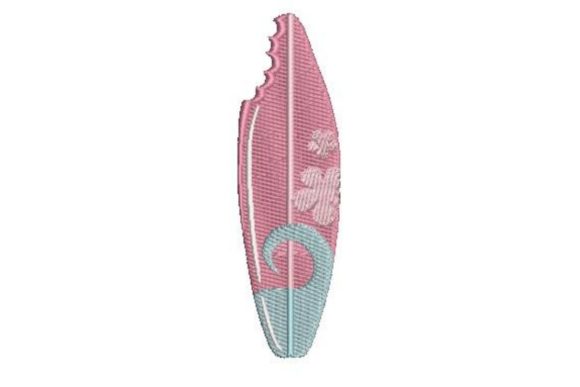
The immediate impression of the Surfboard with Sharkbite is one of playful energy. It captures a specific niche of coastal lifestyle branding that balances fun with a touch of edginess. The concept of a surfboard marked by a shark bite is instantly recognizable and evokes stories of adventure. For a small business merch line, this visual personality is crucial. It does not feel overly rustic or strictly elegant; rather, it leans into a modern, decorative aesthetic that appeals to a younger, active demographic.
When reviewing the design elements, I look for clarity. Does the shape read well from a distance? In this case, the silhouette of the board combined with the distinctive bite mark creates a strong focal point. This is essential for custom apparel where the logo or graphic needs to be identified quickly. The design feels friendly yet bold, making it suitable for brands that want to appear approachable but distinct. However, the success of this look depends heavily on execution, which brings us to the technical considerations.
Real-World Applications for Small Businesses
The versatility of this design makes it a strong candidate for various commercial embroidery projects. Here is how I envision it performing in real business scenarios:
- Embroidered Patches: This is perhaps the strongest use case. The self-contained nature of the surfboard shape works perfectly for iron-on or sew-on patches. These can be sold as standalone handmade product items or used to embellish denim jackets and backpacks.
- Cap Embroidery: Placed on the front panel of a trucker hat or baseball cap, the design adds a seasonal flair. It is ideal for beachside cafes, surf shops, or summer pop-up events.
- Tote Bag Design: A canvas tote featuring this motif becomes an instant summer essential. The contrast of the embroidery against natural canvas fiber enhances the organic, beachy vibe.
- Apron Embroidery: For coastal restaurants or tiki bars, staff uniforms featuring this design on the chest pocket or hem can reinforce the theme without being overwhelming.
- Boutique Merchandise: Local boutiques can use this as a branded accent on pillowcases, beach towels, or limited-edition tees, increasing the perceived value of the finished product.
For Etsy sellers and crafters, this design offers a ready-made asset for creating themed bundles. When paired with other design assets like palm trees or waves, it helps build a cohesive collection that encourages multiple purchases.
Technical Considerations and Placement Strategy
While the aesthetic is appealing, a professional designer must address the technical constraints. The description notes that this machine embroidery design comes with multiple embroidery options, which is a significant advantage. However, without specific data on stitch count or exact dimensions in the provided text, I must advise caution. You must check the file details before production.
Stitch density is a primary concern. If the design is too dense, it can cause puckering, especially on lighter fabrics like cotton tees or linen totes. Conversely, if the density is too low, the fabric may show through, ruining the visual impact. I recommend running a test stitch-out on the actual fabric you intend to use. Pay close attention to the thread colors. High contrast is key here; ensure the shark bite detail is distinct from the surfboard body. Using a satin stitch for the outline and a fill stitch for the board interior is a common technique, but verify that the transition between these stitch types is smooth.
Placement is another critical factor. On curved surfaces like caps, the design must be centered perfectly to avoid distortion. For apron embroidery, consider the wear and tear. The chest area is safer than the lower hem, which might rub against counters. Always use the appropriate stabilizer. For stretchy fabrics, a cut-away stabilizer is non-negotiable to maintain the integrity of the design after repeated washing.
Impact on Brand Identity and Customer Trust
Using a high-quality digital embroidery file like Surfboard with Sharkbite directly impacts brand perception. Consistency in visual presentation builds trust. When customers see a clean, well-executed embroidered logo, they associate that quality with the brand itself. A sloppy stitch-out, however, can damage credibility.
This design supports a brand identity that is lively and community-oriented. It signals to the customer that the business is attentive to detail and engaged with current lifestyle trends. For small business merch, this emotional connection is vital. It transforms a simple item, like a hat or a bag, into a souvenir or a statement piece. Furthermore, offering embroidered items rather than printed ones elevates the perceived value, allowing for higher price points and better profit margins.
Practical Designer Notes for Production
Before launching this design into your product line, follow these steps to ensure professional results:
- Test in Black and White: Before selecting vibrant threads, stitch the design in black thread on white fabric. This reveals any issues with spacing, density, or shape clarity without the distraction of color.
- Check Scalability: Verify if the design remains legible at smaller sizes, such as on a polo shirt chest pocket. If the shark bite detail disappears, the design may need resizing or simplification.
- Review Hoop Size Compatibility: Confirm that the design fits within your standard hoop sizes. While the text mentions multiple options, ensure you have the correct format for your machine.
- Create a Printable Mockup: Use digital tools to place the design on photos of your actual products. This helps in marketing and allows clients to visualize the finished product before purchase.
- Confirm Commercial Licensing: Always verify the license terms associated with the embroidery file. Ensure you have the right to use it for physical goods intended for sale.
- Fabric Texture Test: Embroidery looks different on terry cloth versus smooth cotton. Test on the specific fabric texture of your target products to adjust tension and stabilizer accordingly.
Final Verdict for Merch Creators
The Surfboard with Sharkbite is a compelling addition to any Beach-themed collection. It offers a blend of playfulness and professionalism that resonates with modern consumers. For embroidery shops and handmade brands, it provides a versatile tool for creating engaging custom apparel and accessories. By paying attention to technical details like stitch density, stabilizer choice, and placement, you can leverage this design to enhance your brand identity and drive sales. Remember, the quality of the final embroidered piece reflects directly on your business, so thorough testing is the key to success.