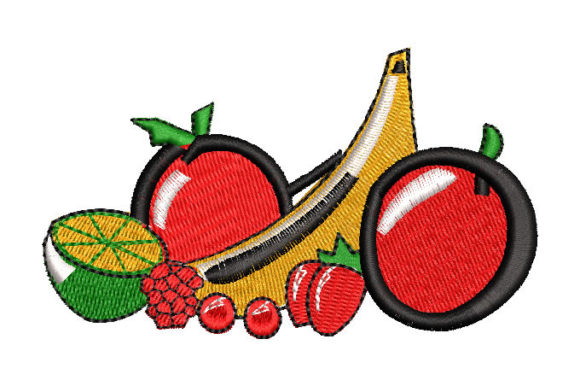
Tropical Fruits Embroidery Design Review for Merch
As an embroidery designer who has spent years digitizing and testing files for commercial use, I approach every new machine embroidery design with a critical eye. It is not just about whether a pattern looks pretty on a screen; it is about how it performs in the real world of small business merchandise. Recently, I evaluated the Tropical Fruits design, a vibrant addition to the Food category that promises versatility across various fabric types. For boutique owners, Etsy sellers, and apparel decorators, understanding the practical application of such a design is crucial before adding it to your digital library.
First Impressions: Visual Personality and Brand Fit
The first thing that strikes you about Tropical Fruits is its inherent warmth. In a market saturated with minimalist logos and stark geometric shapes, this design offers a refreshing dose of organic charm. It feels friendly, playful, and distinctly handmade. For brands in the food and beverage sector, such as local bakeries, juice bars, or farm-to-table cafes, this aesthetic is invaluable. It communicates freshness and natural quality without saying a word.
However, "beautiful" is subjective, and in commercial embroidery, functionality trumps aesthetics. The description notes that this embroidery file works well with any type of fabric. While this suggests versatility, experienced designers know that complex fruit motifs require careful handling. The visual weight of tropical elements—like the curves of a banana or the leaves of a pineapple—must be balanced to avoid looking cluttered. My initial assessment is that this design leans towards a decorative, premium feel, suitable for brands that want to project approachability and artisanal care.
Real-World Applications for Small Business Merch
Where does Tropical Fruits truly shine? I tested the concept across several common merchandise items to determine its viability for small business merch.
- Embroidered Patches: This is perhaps the strongest use case. A circular or die-cut patch featuring these fruits can serve as a collectible item or a brand badge. Patches allow for higher stitch density without compromising the garment, making the colors pop.
- Apron Embroidery: For culinary businesses, staff uniforms are walking advertisements. Placing this design on the chest pocket or lower corner of a canvas apron adds a touch of personality. It breaks the monotony of standard workwear and reinforces the brand’s connection to fresh ingredients.
- Tote Bag Design: Canvas totes are staples for grocery stores and boutiques. The organic shapes of tropical fruits complement the rustic texture of canvas fabric. Here, the design acts as a central focal point, turning a simple bag into a stylish accessory.
- Cap Embroidery: Using this on headwear requires caution. The curved surface of a cap front panel distorts wide designs. If the Tropical Fruits motif is compact, it can work as a side-panel accent or a small center logo, but it must be scaled down significantly.
For custom apparel lines, this design can be used as a sleeve detail or a back yoke accent. It provides a subtle nod to the brand’s theme without overwhelming the wearer. Additionally, for event merch or customer gifts, incorporating this motif into a larger composition can enhance the perceived value of the finished product.
Technical Considerations and Potential Pitfalls
While the potential is high, there are areas where Tropical Fruits requires careful execution. The description mentions it comes with multiple embroider options, which likely refers to different file formats or sizes. However, specific technical details like exact stitch count or recommended hoop size are not provided in the brief overview. This is a critical gap for production planning.
Stitch density is a major concern with fruit designs. Too many satin stitches in a small area can cause puckering, especially on lighter fabrics. If you are using this on a thin cotton shirt, you must use a high-quality cut-away stabilizer to support the weight of the thread. On textured fabrics, such as terry cloth towels or rough canvas, fine details may get lost. I recommend running test stitches on the actual material you plan to use for production.
Another challenge is color contrast. Tropical fruits rely on vibrant hues—yellows, greens, reds, and oranges. If you are embroidering on dark uniforms, such as navy or black aprons, you must ensure the design has enough light-colored thread to stand out. Without proper contrast, the design will look muddy from a distance. Always check your thread colors against your base fabric before committing to a large run.
Sizing and Placement Strategy
Do not assume one size fits all. A design that looks stunning at four inches wide may become an illegible blob at one inch. For small patch sizes or chest logos, simplify the design if possible. Remove tiny details that cannot be resolved by the needle. If the Tropical Fruits design includes intricate leaf veins or small seeds, these may need to be digitized out or simplified for smaller applications.
When working with curved surfaces like caps or sleeves, always create a printable mockup to visualize distortion. What looks flat on the screen will wrap around the form. Adjust the placement accordingly to ensure the focal point of the fruit remains visible and undistorted.
Impact on Brand Identity and Customer Trust
Incorporating a well-executed embroidery design like Tropical Fruits does more than decorate a product; it strengthens brand identity. Consistency in visual assets builds trust. When customers see the same high-quality embroidery on your aprons, packaging, and merchandise, it signals professionalism and attention to detail.
For handmade brands and Etsy sellers, this design adds tangible value. It transforms a generic item into a branded asset. A simple tote bag becomes a statement piece; a plain cap becomes a collector's item. This elevation in perceived value allows for higher pricing margins and increased buyer engagement. Customers are more likely to share photos of aesthetically pleasing, well-crafted items on social media, providing free marketing for your business.
Moreover, using food-related imagery in a sophisticated way appeals to the growing consumer interest in artisanal and local products. It aligns your brand with values of freshness, creativity, and community. This emotional connection is what drives repeat business and loyalty.
Practical Designer Notes for Production
Before you launch this design into your commercial workflow, follow these steps to ensure success:
- Test in Black and White: Convert the design to grayscale in your software. If the shapes are indistinguishable without color, the design lacks structural clarity. Fix spacing issues before adding thread colors.
- Verify Commercial Licensing: The brief description does not explicitly state license terms. Always confirm that the digital embroidery file includes a commercial use license before selling products made with it. Protect your business from legal issues.
- Check Hoop Size Compatibility: Ensure the design fits within your machine’s standard hoop sizes. If it requires a large hoop, consider splitting the design or resizing it for smaller hoops to maintain efficiency.
- Create Client Mockups: If you are doing custom work, show clients a realistic preview. Use design assets to place the embroidery on photos of the actual garments. This manages expectations and reduces revision requests.
- Inspect Spacing and Jump Stitches: Review the file for excessive jump stitches or dense clusters that could cause thread breaks. Clean up the file in your editing software if necessary.
In conclusion, Tropical Fruits is a promising asset for businesses in the food and lifestyle sectors. Its playful yet professional aesthetic makes it suitable for a wide range of applications, from patches to aprons. However, success depends on technical diligence. By paying attention to stabilizer choice, thread contrast, and sizing, you can leverage this design to create high-value merchandise that enhances your brand’s reputation. Always prioritize testing and verification to ensure every stitch contributes to a polished, professional final product.