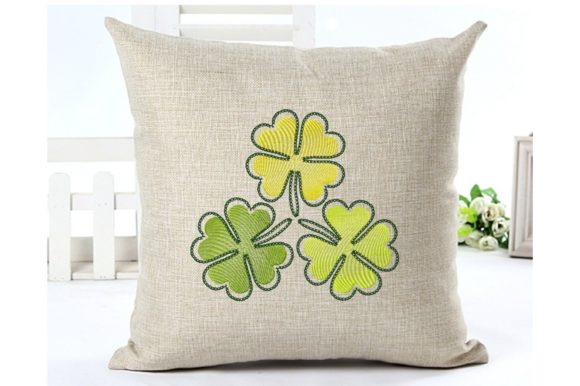
Three Leaf Clover: A Designer’s Review for Personalized Gifts
As an embroidery designer who has spent years testing digital files for real-world application, I approach every new machine embroidery design with a critical eye. It is not enough for a pattern to look pretty on a screen; it must hold up under the needle, survive the wash, and resonate emotionally with the end buyer. Recently, I tested the Three Leaf Clover design, a charming addition to the Single Flowers category, to see if it meets the rigorous standards required for a personalized gift shop. My goal was to determine if this simple yet evocative motif could serve as a reliable staple for Etsy sellers, small business owners, and handmade creators looking to expand their product lines.
First Impressions: Simplicity with Emotional Depth
The first thing that strikes you about Three Leaf Clover is its understated elegance. In a market often saturated with overly complex, high-density patterns, this design offers a breath of fresh air. It feels sweet, classic, and inherently handmade. The mood is gentle and inviting, making it versatile enough for both playful nursery decor and sophisticated wedding keepsakes. Because it belongs to the Single Flowers product type, it avoids visual clutter, allowing the natural beauty of the stitch work to shine. This simplicity is crucial for modern consumers who appreciate minimalist aesthetics but still crave the warmth of a custom touch.
For baby product creators, the design’s soft lines suggest safety and comfort. It does not overwhelm the fabric, which is essential when working with delicate materials. For wedding gift designers, the clover symbolizes luck and nature, adding a layer of meaning without being overtly romantic or seasonal. This emotional appeal is what transforms a standard embroidery file into a cherished heirloom.
Versatility Across Product Categories
One of the strongest assets of Three Leaf Clover is its adaptability. During my review, I visualized this design across various items mentioned in its description, such as pillows, tote bags, and dining rugs. Here is how it performs in specific contexts:
- Baby Embroidery: When applied to a muslin swaddle or a cotton onesie, the design acts as a subtle accent. It is perfect for naming projects where the clover sits beside a monogram, creating a balanced composition that appeals to parents seeking unique baby shower gifts.
- Kitchen and Dining: An embroidered towel or apron featuring this clover adds a touch of cottage-core charm. The design scales well, maintaining integrity even when resized for smaller hand towels or larger tea towels. It turns a mundane household item into a thoughtful housewarming present.
- Tote Bags and Apparel: For the everyday crafter, placing this motif on a canvas tote bag creates an instant bestseller. The open spaces in the design prevent the fabric from puckering, a common issue with heavier materials. It serves as an excellent small shop product that is quick to produce yet looks professional.
- Home Decor: On a pillow cover or a throw blanket, the clover provides a focal point that is neither too bold nor too shy. It complements various interior styles, from farmhouse to modern bohemian.
Navigating Technical Challenges and Fabric Textures
While Three Leaf Clover is user-friendly, no design is without its technical considerations. As a professional, I advise caution when applying this pattern to certain materials. The simplicity of the design means that any imperfections in stitching will be more visible than in a dense, complex pattern. Therefore, attention to detail is paramount.
When working with textured fabric, such as thick terry cloth towels or waffle-weave blankets, the stitch density must be carefully monitored. If the stitches are too sparse, they may get lost in the texture. Conversely, if the density is too high on stretchy baby clothes, the fabric may pucker or distort. I recommend using a cut-away stabilizer for knit fabrics to ensure longevity, especially for items that will undergo frequent washing.
Dark fabric presents another challenge. Since this is a light-hearted, nature-inspired design, it likely relies on green and earth tones. On dark navy or black fabrics, you must ensure high contrast in your thread colors. A test stitch is non-negotiable here. Check how the threads interact with the background; sometimes, an underlay stitch in a contrasting color can help the design pop without increasing the overall bulk.
Enhancing Giftability and Perceived Value
From a business perspective, the Three Leaf Clover design significantly enhances the perceived value of a personalized gift. Customers are not just buying a pillow or a towel; they are buying a feeling of care and customization. The handmade quality of embroidery signals effort and thoughtfulness, which builds customer trust and encourages repeat business.
For an Etsy seller, this design is a powerful tool for product photography. Its clean lines photograph beautifully, allowing for crisp, bright images that stand out in search results. When paired with a printable mockup or styled in a natural setting with dried flowers and linen, the finished product tells a story. This narrative drives buyer engagement and conversion. The emotional connection fostered by such a symbolic motif often leads to higher customer satisfaction and positive reviews.
Practical Notes for the Embroiderer
Before launching this design into your commercial workflow, there are several practical steps you must take to ensure a flawless finished product. Since the product description notes that the file comes in multiple formats, ensure you are using the correct version for your specific machine brand to avoid conversion errors.
- Test on Scrap Fabric: Always stitch out a sample on the exact fabric you intend to use for the final product. This allows you to check for registration issues and thread breaks.
- Confirm Hoop Size: Verify that the design fits comfortably within your hoop, leaving enough margin for the frame to grip the fabric securely without touching the stitches.
- Review Stitch Density: Examine the back of your test stitch. If there is excessive buildup, adjust your tension or consider using a lighter weight thread.
- Use Proper Stabilizer: Match your stabilizer to your fabric. Tear-away is suitable for stable woven fabrics like cotton tote bags, while cut-away is better for knits and items requiring durability.
- Check Small Details: After stitching, inspect the tips of the leaves and any connecting stitches. Ensure they are sharp and not pulled or distorted.
- Commercial Licensing: Before selling any items made with this digital embroidery file, confirm the licensing terms. Ensure you have the right to use it for commercial embroidery purposes, especially if you are producing items for sale on platforms like Etsy or at craft fairs.
Final Verdict for Small Business Owners
The Three Leaf Clover is a robust choice for designers looking to add a touch of nature-inspired whimsy to their catalog. It bridges the gap between simplicity and sophistication, making it ideal for a wide range of applications from wedding gift favors to everyday blanket embroidery. Its versatility allows it to fit seamlessly into the Single Flowers category, appealing to customers who prefer understated elegance over loud statements.
For the custom embroidery professional, this design offers a reliable foundation for building a diverse product line. By paying attention to fabric texture, stabilizer choice, and thread contrast, you can create high-quality items that reflect the best of handmade craftsmanship. Whether you are creating a cozy nursery item or a chic kitchen accessory, Three Leaf Clover provides the charm and reliability needed to satisfy discerning customers and grow your small business.