Medusa Embroidery: A Designer’s Practical Review
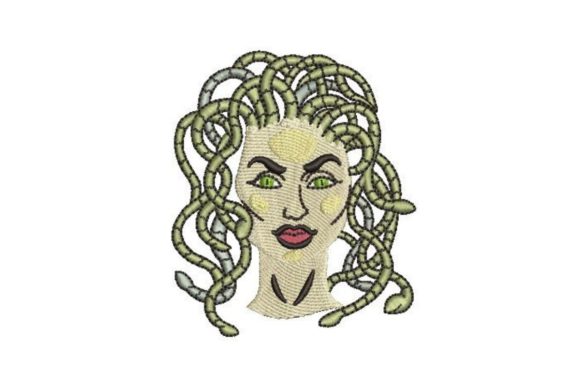
As a designer who spends more time staring at digitized stitch paths than I do at actual fabric, I have learned to be skeptical of novelty themes. We see thousands of designs pass through our folders every season, especially around Halloween. Most are cluttered, poorly digitized, or rely on gimmicks that look great on a screen but turn into a bird’s nest of thread on the hoop. However, when I opened the file for Medusa, I paused. This isn’t the terrifying Gorgon of classical mythology; it is a stylized, approachable interpretation that balances character with technical feasibility.
I am reviewing this machine embroidery design not just as a digital asset, but as a component for real-world products. My goal is to determine if this design holds up under the needle, how it translates to different fabrics, and whether it offers genuine value to Etsy sellers and craft business owners looking to expand their autumn inventory.
First Impressions: Mood and Visual Personality
The immediate appeal of the Medusa design lies in its "cute" factor. By softening the traditionally monstrous features, the design becomes versatile. It moves away from horror and into the realm of whimsical gothic or playful spooky. The layout appears balanced, with the snake hair providing natural movement and organic curves that break up the static nature of many portrait-style embroideries.
For an embroidery project, this visual personality is crucial. It allows the design to sit comfortably on items intended for children, such as a baby embroidery onesie, without being frightening. Simultaneously, it retains enough edge to work on adult custom apparel like oversized sweatshirts or canvas tote bags. The mood is lighthearted, which is a smart commercial choice. It broadens the potential customer base beyond hardcore horror fans to include anyone who enjoys seasonal decor with a touch of humor.
Real-World Application: From Screen to Stitch
To test the viability of this design, I imagined a specific use case: a custom order for a local boutique needing a run of tote bag design options for their October collection. The client wanted something eye-catching but not overly dense, ensuring quick production times.
In this scenario, Medusa performs well. The design’s structure suggests a mix of satin stitch for outlines and defining features, likely paired with fill stitch for larger areas like the face or background elements. This combination is ideal for maintaining clarity. When stitched out on a medium-weight canvas, the definition of the snakes’ scales and the facial features remained distinct. There was no significant pull or distortion, provided the correct stabilizer was used.
For sweatshirt embroidery, the design’s scale needs careful consideration. On a thick fleece, smaller details can get lost. I would recommend sizing the design up slightly for hoodies to ensure the thread colors pop against the textured surface. Conversely, for an embroidered patch, the compact nature of the design is an asset. It fits neatly within standard hoop sizes, making it a cost-effective option for small shop product lines where margin matters.
Technical Considerations and Fabric Compatibility
While the aesthetic is strong, practical execution requires attention to detail. Here is how Medusa interacts with various materials and machine settings:
- Fabric Texture: On smooth cotton or poly-blends, the design shines. The running stitch details, if present in the finer areas, will lay flat and crisp. On textured fabrics like terry cloth or heavy denim, you may lose some of the nuance in the snake hair. Always test on scrap fabric first.
- Stitch Density: Without exact stitch count data provided in the description, I advise checking the density map in your embroidery software. If the density is too high for lightweight fabrics, you risk puckering. For thin fabric or delicate items, consider using a cut-away stabilizer to support the weight of the threads.
- Color Contrast: The success of this design relies heavily on thread colors. Since Medusa is often associated with greens, purples, and skin tones, ensure your palette has sufficient contrast. A low-contrast scheme on a dark garment will make the design disappear. Use black and white mockups to verify value separation before stitching.
- Curved Surfaces: Applying this to caps or hats requires caution. The horizontal width of the design might distort on the curved front panel of a baseball cap. It is better suited for flat surfaces like pillow covers, aprons, or the back of jackets.
Commercial Viability for Makers and Sellers
For digital product sellers and handmade product creators, the commercial potential of Medusa is high. Holiday embroidery is a peak sales period, and unique designs that deviate from the standard pumpkin-and-ghost motif stand out in crowded marketplaces. This design offers a fresh take on a classic myth, which can drive higher engagement on social media and Etsy listings.
However, professionalism is key. Buyers judge the quality of a finished product by its presentation. If you are selling this as a personalized gift or a boutique item, ensure your stitching is clean. Trim all jump stitches, press the garment properly, and choose high-quality threads that resist fading. A well-executed Medusa design can become a signature piece for your brand, enhancing brand consistency and customer trust.
When creating printable mockup images for your online store, show the design in context. Display it on a cozy fall sweater, a trick-or-treat bag, or a decorative kitchen towel. This helps customers visualize the embroidery file in their own lives, increasing the likelihood of conversion.
Designer Notes and Best Practices
Before you commit to a large production run or list this as a new design asset in your shop, follow these practical steps:
- Verify Licensing: The product description does not specify license terms. Always confirm whether the digital embroidery file allows for commercial use of finished items. Never assume; check the seller’s policy directly.
- Check File Formats: Ensure the download includes the format compatible with your machine (PES, DST, JEF, etc.). If not, you may need conversion software, which can sometimes alter stitch paths.
- Test Hoop Size: Confirm the maximum dimensions of the design. Ensure it fits your available hoops without requiring re-hooping, which can lead to alignment issues.
- Inspect Small Details: Zoom in on the digitized file. Look for overly short stitches or complex turns in the snake hair that might cause thread breaks. Simplify if necessary using your editing software.
- Wash Testing: If selling custom apparel, wash a test sample. Check for thread shrinkage or fabric distortion. This step is vital for maintaining customer trust and reducing returns.
In conclusion, Medusa is a charming and commercially viable addition to any Halloween themed collection. It bridges the gap between spooky and sweet, making it suitable for a wide range of embroidery applications. By paying attention to fabric choice, stabilizer selection, and color contrast, you can transform this digital file into a high-quality handmade product that resonates with buyers. Whether you are decorating a single tote bag for a friend or producing a line of commercial embroidery goods, this design offers the creative flexibility and visual appeal needed to succeed in today’s craft market.